
Rice Field Walk Ubud: Best Trails, Tips & Where to Eat After (2026 Guide)


Walking through the rice fields is a defining part of any visit to Ubud. To find the soul of this region, you simply have to leave the main roads behind and head toward the narrow paths that cut through the greenery. It is a chance to move at a slower pace, breathe in the fresh air, and see Bali’s agricultural roots exactly as they are.
Defining the Rice Field Walk in Ubud
A rice field walk in Ubud is an immersive outdoor experience that takes you through the region's sprawling agricultural landscapes and traditional villages. This experience goes far beyond a typical scenic hike. It serves as a window into the spiritual and social foundations of Bali, showcasing a rare balance between the natural world and ancient traditions.
The Subak irrigation system sits at the very center of this experience. Recognized by UNESCO, this ancient water management network has governed Balinese farming for centuries. Walking along the paths allows you to see this cooperative system in real-time. It directs water through each terrace to support local farmers, ultimately shaping the tiered green landscapes that have made Ubud famous worldwide.
Quick Highlights:
Sunrise Views: The ideal time for cool air and soft, golden light.
Subak System: Witness the UNESCO-recognized irrigation networks in action.
Village Paths: Many routes cut through local neighborhoods for a glimpse of authentic Bali.
Photography Spots: Capture the perfect balance between tropical nature and traditional architecture.
Best Rice Field Walk Routes in Ubud
Campuhan Ridge Walk

This is easily the most popular trail in town. It follows a scenic paved path along a lush green ridge tucked between two river valleys.
The Campuhan Ridge Walk stands as Ubud's most celebrated trail, offering an accessible yet breathtaking escape from the town's bustling center. The route follows a well-maintained, paved path that traverses a spectacular green ridge, providing hikers with a panoramic perspective of the lush jungle canopy and the deep river valleys that flank either side of the trail.
Distance: Approximately 2km for a one-way journey, making it a manageable trek for most visitors.
Difficulty: Rated as easy; the paved nature of the path ensures it is suitable for walkers of various fitness levels.
Entry Fee: There is no cost to access this trail, offering a high-value outdoor experience for free.
Best Time: Ideal visiting hours are at 6:00 AM or 5:00 PM to take advantage of cooler temperatures and the soft, golden light of sunrise or sunset.
Structural Highlight: The trail is characterized by its dramatic, wide-open views of the surrounding tropical landscape and the dense forest below.
As a high-crowd destination, it is frequently chosen by photographers and nature enthusiasts seeking to capture the quintessential greenery of the region.
Kajeng Rice Field Walk
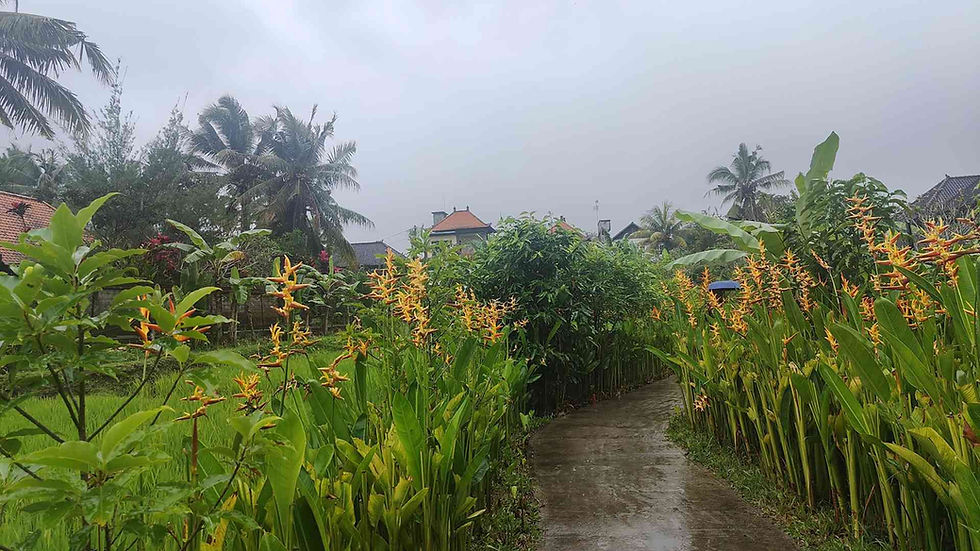
This path feels more secret and authentic. It starts right in central Ubud but quickly transitions into silent, sprawling paddies.
The Kajeng Rice Field Walk offers a more intimate and authentic encounter with Ubud's agricultural landscape compared to the more heavily trafficked tourist routes. While it begins just a few steps from the bustling center of town, the path quickly transitions into a peaceful environment of silent, sprawling paddies where the daily rhythms of Balinese farming life are on full display.
Distance: The route is a 3km loop, providing a comprehensive tour of the local fields and return access to the town center.
Difficulty: This walk is rated as very easy, featuring relatively flat terrain that is accessible for most visitors regardless of fitness level.
Entry Fee: There is no cost for access, making it one of the premier free outdoor experiences in the Ubud region.
Best Time: Visiting during sunrise or sunset is highly recommended to enjoy the landscape under soft, golden light and to avoid the peak humidity of the day.
Structural Highlight: The trail features a unique signature walkway where the names of local residents, families, and businesses are engraved directly into the concrete path, serving as a permanent community record.
Tegalalang Rice Terrace

Tegalalang Rice Terrace stands as Bali's most iconic destination for those seeking dramatic and steep terraced views, offering a vertical landscape that is fundamentally different from the flatter valley walks in central Ubud. As a premier location for witnessing the engineering of the Subak irrigation system, it provides a deep look into how Balinese farmers have managed water across steep terrain for centuries.
Distance: The total distance varies significantly depending on how far you choose to climb and explore the various trail branches throughout the terraces.
Difficulty: The trek is rated as moderate; visitors should be prepared for numerous steep, narrow stairs and paths that can become demanding in the tropical heat.
Entry Fee: Access to the managed area costs approximately IDR 25,000, making it one of the few local routes with a formal entrance charge.
Best Time: To avoid the largest crowds and peak humidity, an early morning arrival around 6:00 AM is highly recommended.
Structural Highlight: The steep irrigation levels and tiered architecture provide multiple vantage points, making it a top choice for photography enthusiasts seeking the quintessential Balinese landscape.
Route Comparison Table
Route | Distance | Difficulty | Entrance Fee | Best Time | Crowd Level |
Campuhan Ridge | 2km | Easy | Free | Sunrise/Sunset | High |
Kajeng Path | 3km Loop | Very Easy | Free | Sunrise/Sunset | Low |
Tegalalang | Varies | Moderate | IDR 25k+ | Early Morning | Very High |
The Essential Packing List
Being prepared will make your walk much more enjoyable, especially since the humidity in Ubud can be quite intense.
Comfortable Shoes: Skip the flip-flops and wear sneakers or strapped sandals. Some paths are narrow and get pretty slippery if they’re wet.
Sun Shield: Since shade is almost non-existent in the middle of the paddies, bring a hat and apply plenty of sunscreen before you head out.
Water: Stay hydrated at all times. You will find small stalls selling drinks along the popular routes if you run out.
Small Cash: Useful for donations at certain points or buying a fresh coconut.
Camera: The light during the golden hours is incredible, so make sure your phone or camera is fully charged for the terraces.
Where to Eat After Your Rice Field Walk in Ubud

After spending a few hours on the trails, the next step is finding a place to decompress and refuel. Ramu Kitchen is an ideal choice located just a short distance from the main walking routes in central Ubud. Framed by the forest, providing a calm atmosphere that feels like a natural extension of your trek.
The menu at Ramu focuses on elevated Pan-Asian cuisine with strong Indonesian influences. We take a very thoughtful approach to our ingredients, sourcing from local farmers to ensure every plate is nutrient-dense and fresh. It is the perfect spot for a leisurely lunch or a sunset dinner in a more private and natural environment.
FAQs About Rice Field Walk Ubud
Is the rice field walk in Ubud free?
Most trails, such as Campuhan Ridge and the Kajeng walk, do not have an entrance fee. However, commercially managed areas like Tegalalang usually charge around IDR 25,000 for access.
Which rice field walk is best?
Campuhan is great for open valley views. Kajeng is best for a quiet village feel. Tegalalang is the top choice if you want the iconic, steep terraced landscape for photography.
How difficult is it?
Most walks are rated easy to moderate. The paths are generally flat, but the heat can make them more tiring than expected. Tegalalang is slightly more demanding because it involves many steps.
Can I book a guide?
Exploring on your own is very easy as the paths are clear. However, a local guide can provide deeper insight into the Subak system and show you hidden shortcuts not found on maps.
What should I wear?
Light, breathable clothing is highly recommended. Since you may pass through local villages or near small shrines, dressing modestly is always appreciated as a sign of respect.
Where can I eat nearby after the walk?
For a dining experience that mirrors the natural vibe of your walk, Ramu Kitchen is highly recommended. It is close to the center but feels hidden in the forest, making it a great place to relax after your morning exercise.
Closing Thoughts
Exploring Ubud’s rice fields is the perfect way to appreciate Bali’s agricultural heritage while finding a peaceful escape from the busy town center. Whether you choose the panoramic views of the Campuhan Ridge or the authentic village charm of the Kajeng path, these walks offer a refreshing experience for both the mind and body.
To complete your journey, a visit to Ramu Kitchen serves as the ideal final stop, offering a seamless transition from your outdoor adventure to a curated culinary experience featuring locally sourced, nutrient-dense ingredients.


Comments