
Best Ubud Art Galleries to Visit in 2026
- Ramu Kitchen Team

- Sep 18, 2025
- 6 min read
Updated: Jan 13

When people picture Ubud, they usually think of lush rice terraces, yoga studios, or jungle swings. What often gets overlooked is the reason Ubud became famous in the first place, which is its art. Long before the bloggers and Instagrammers, this small town was Bali’s creative capital. Painters, carvers, and collectors have been gathering here for decades, and the energy is still everywhere you look.
Walk through the main streets and you’ll notice the difference. The art shops aren’t filled only with quick souvenirs. Many showcase original works, created with techniques passed down through generations. Some galleries still preserve century-old paintings, while others experiment with contemporary installations that wouldn’t look out of place in New York or Berlin. Together, they make Ubud one of Southeast Asia’s most interesting art destinations.
Why Ubud's Art Scene Matters
Balinese art isn’t a modern invention for tourists. It dates back centuries. Temple walls were painted with stories from Hindu epics, wood was carved into guardians for shrines, and textiles carried sacred meaning. Today, those same traditions are still alive, but younger artists are giving them new life. Modern concepts meet ancient craftsmanship, creating a blend so unique that serious collectors fly in just to see what’s happening here.
Top Ubud Art Galleries You Can't Miss
1. Titik Dua

If you’re curious about how tradition and modern design can live together, start at Titik Dua. This boutique hotel, designed by architect Andra Matin, doubles as an art space. Exhibitions change monthly, so there’s always something new to see.
Right now, the featured show is “Peace of Mine” by Nevi Kusuma, running until 28 September 2025. After exploring, you can sit down at Ramu Kitchen, where even the curated Pan-Asian dishes are plated like works of art.
Hours: Daily, 11 AM – 6 PM (closed on Monday)
Fee: IDR 30,000/adult ; IDR 15,000/student
Where is it? Jl. Cok Rai Pudak No.48, Peliatan, Ubud
Phone: 0811-3960-3939
2. Neka Art Museum

Founded in 1982 by Pande Wayan Suteja Neka, Neka Art Museum is a love letter to Balinese art history. Its rooms are filled with works by local masters, as well as international painters who were captivated by Bali.
Most famously, collections from Dutch-born Arie Smit, whose bold colors made Bali’s landscapes come alive on canvas, can be seen here. One corner of the museum, the Keris Pavilion, is an ode to Neka’s royal Pande (blacksmith) clan heritage, a reminder that art here is as much about heritage as it is about beauty.
Hours: Daily, 9 AM – 5 PM
Fee: IDR 150.000/adult (USD 6); IDR 75.000/children aged 6-12 (USD 4,5); free for children under 6
Where is it? Jl. Raya Sanggingan, Campuhan, Ubud
Phone: 0813-3842-4036
3. Agung Rai Museum of Art (ARMA)

Agung Rai Museum of Art is more than just a timeless art gallery in Ubud. It’s a cultural complex where you’ll see works from European painters like Walter Spies and Rudolf Bonnet alongside Balinese classics.
What makes ARMA special is its living energy. Between the exhibitions, there are dance performances, gamelan concerts, and even painting workshops. Many visitors linger in the gardens with a coffee after a show, taking in the atmosphere.
Hours: Daily, 9 AM – 6 PM
Fee: IDR 150.000/adult (USD 6); IDR 75.000/children aged 6-12 (USD 4,5); free for children under 7
Where is it? Jl. Raya Pengosekan, Ubud
Phone: (0361) 976659
4. Tony Raka

Tony Raka Art Gallery is one of Ubud’s pioneering contemporary art spaces, showcasing cutting-edge works from both Indonesian and international artists. Beyond paintings, you’ll find installations, sculptures, and mixed-media pieces that reflect Bali’s evolving creative spirit.
What makes Tony Raka special is its role as both a gallery and a community hub. It often hosts exhibitions, workshops, and cultural events, making it a space where conversations about art and culture come alive. Many visitors enjoy lingering in its café and outdoor areas, soaking in the creative atmosphere.
Hours: Daily, 9 AM – 5 PM
Fee: Free entry
Where is it? Jl. Raya Mas No.86, Ubud
Phone: (0361) 7816786
5. Museum Puri Lukisan

Museum Puri Lukisan is the oldest art museum in Bali, established in 1956 by the King of Ubud, Cokorda Gde Agung Sukawati, with Dutch artist Rudolf Bonnet. Walking into the leafy courtyard feels like stepping back in time in this Ubud art gallery.
The collection focuses on the “golden age” of Balinese art from the 1930s–40s: intricate wood carvings, classical paintings, and works that laid the foundation for what Ubud’s art scene has become today.
Workshops are available daily for a full immersive experience in the Balinese lifestyle.
Hours: Daily, 9 AM – 5 PM
Fee: IDR 95.000/adult (USD 5,9); free for children under 15
Where is it? Jl. Raya Ubud, Gianyar
Phone: (0361) 971159
6. Blanco Renaissance Museum
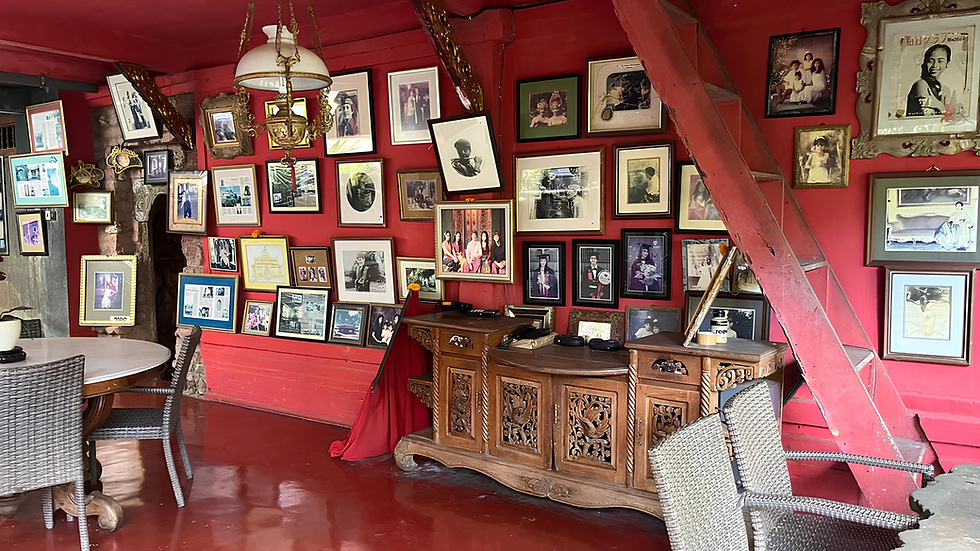
Perched on Campuhan Hill, this museum was once the home and studio of Spanish-born painter Antonio Blanco. Known as the “Dali of Bali,” he was famous for his flamboyant personality and romantic, sometimes provocative, pieces that even caught the eye of Michael Jackson!
The residence-turned-museum itself gives you a glimpse into his eccentric world. From the panoramic views of the valley to the artist’s personal memorabilia, it’s part art gallery, part biography.
Hours: Daily, 9 AM – 5 PM
Fee: IDR 100,000 (about USD 6.50)
Where is it? Jl. Raya Campuhan, Sayan, Ubud
Phone: (0361) 975502
7. Komaneka Fine Art Gallery

Founded by Koman Suteja, who is deeply rooted in Ubud’s cultural life, this art gallery in Ubud showcases contemporary Indonesian artists working in painting, sculpture, and mixed media. Art connoisseurs often purchase art directly at the gallery or online.
Unlike the larger museums, Komaneka focuses on fresh voices, emerging talents with bold visions of what modern Balinese and Indonesian art can be. It’s a space that feels intimate yet forward-looking, often introducing artists who later make international waves.
Hours: Daily, 9 AM – 8 PM
Fee: IDR 100,000 (about USD 6.50)
Where is it? Jl. Monkey Forest, Ubud
Phone: (0361) 4792518
Timing Your Gallery Visits
April through October works best for gallery-hopping. Less rain means more comfortable walking between spaces, and many galleries schedule major exhibitions during this period.
Special events to watch for: Ubud Writers & Readers Festival in October often includes visual art components. Several galleries coordinate special exhibitions around this time.
Time of day matters too. Morning visits mean fewer crowds and better natural lighting in spaces that rely on windows rather than artificial lighting.
Smart Gallery-Hopping Strategy
Walking vs. scooter rental: Central Ubud galleries are walkable, but places like ARMA and Neka require transport. Scooter rental costs about $5-7 per day and gives you complete flexibility.
Gallery etiquette here: Most spaces welcome photography of exhibitions, but always ask first. Some traditional pieces have cultural sensitivities around being photographed.
Supporting local artists: Buying original pieces directly supports creators. Many galleries can arrange international shipping. Even small purchases make a real difference to emerging artists.
Get the full experience: Some art galleries in Ubud also host workshops for curious travelers looking to deepen their cultural appreciation.
FAQ About Ubud Art Galleries
Are galleries kid-friendly?
Most welcome families, though some contemporary exhibitions might not hold children's attention.
Neka and Museum Puri Lukisan work particularly well for kids interested in traditional culture - the colorful traditional paintings and wood carvings usually keep younger visitors engaged. ARMA often has outdoor spaces where kids can run around between indoor viewing.
Can you actually buy original art?
Absolutely, and this is where things get interesting. Aside from the roadside galleries in Ubud, our list of art galleries can be found online, should you wish to purchase from abroad. Always ask about international shipping arrangements.
Do galleries host workshops or events?
ARMA runs traditional painting workshops (usually IDR 150,000 for 2 hours) and wood carving classes. Gaya Art Space holds monthly artist talks and experimental workshops that change based on current exhibitions. Titik Dua hosts cultural evenings with live music, poetry, and artist presentations - check their Instagram for schedules since they don't always advertise widely.
Are there any language barriers?
Most gallery staff speak conversational English, especially at Titik Dua, Neka, ARMA, and Blanco Renaissance Museum. Artists and staff are usually enthusiastic about discussing art regardless of language limitations.
How much time to allocate?
Plan at least 4-6 hours if you want to visit multiple galleries properly without rushing. One gallery can take up to two hours, depending on how you engage with the collection.
Best way to combine visits?
Neka and Museum Puri Lukisan are walkable from central Ubud (about 15 minutes each). ARMA requires transport - rent a scooter or hire a driver. Titik Dua works well as an evening stop since their space stays open later.
What Makes Ubud's Art Scene Special
Unlike art districts in major cities that cater primarily to wealthy collectors, Ubud's galleries serve multiple communities. Local artists use them as serious exhibition spaces. International visitors discover contemporary Indonesian art that they never knew existed. Balinese families bring kids to learn about their cultural heritage.
This mix creates something unique—galleries that are simultaneously tourist attractions, cultural institutions, and working parts of an active artistic community.
When you visit these spaces, you're not just looking at art. You're participating in a cultural exchange that benefits everyone involved. The artists get exposure, the galleries stay financially viable, and visitors gain genuine cultural understanding.
That's what makes Ubud's art scene worth exploring—it's real, it's evolving, and it welcomes anyone genuinely interested in understanding Balinese culture through visual expression.
Start with Titik Dua and Ramu Kitchen for the contemporary experience, then work your way through the traditional institutions. By the end, you'll understand why serious art lovers consider Ubud essential rather than just another stop on the Bali tourist trail.


Comments